Photo: High voltage electrical equipment at the University of Pittsburgh’s GRID Institute at the Energy Innovation Center in Pittsburgh’s Hill District on Feb. 10. (Photo by Quinn Glabicki/PublicSource)
As research and investment flow to the region, Pittsburgh strives to develop a workforce to build the green energy future.
By Quinn Glabicki and Alice Crow PublicSource
February 24, 2025 -Brandon Grainger stood beneath a towering, 13,800-volt webwork of power lines and transformers constructed inside a laboratory at the Energy Innovation Center in the Hill District, home to the University of Pittsburgh’s GRID Institute. Solar panels layer the sawtooth roof and a prototype wind turbine spins high above the parking lot. Both provide energy to the lab, and a research opportunity for those seeking to understand how to best integrate renewable energy.
As power demands increase from booming tech and AI development, the GRID Institute studies how to efficiently get electricity where it’s needed, and Grainger and other professors prepare students to eventually work in advanced industry.
But concerns persist, and a question remains: Do we have enough labor — from doctoral candidates to electricians — to meet the demands of the future?
“Well, the answer is no,” said Granger, an associate professor of electrical engineering. His graduate students, mostly electrical engineers, are being hired nearly eight months before they graduate, he said, and undergraduates, too, are being scooped up by industry well before they leave campus.
Industrial electrical equipment with interconnected metal structures and cylindrical components in a facility.
Southwestern Pennsylvania has the industrial capacity and hard-working heritage to be a bedrock of green energy manufacturing and development at a time when climate-friendly projects awaiting connection to the grid could go a long way toward addressing energy supply challenges.
Research and investment is already flowing to the region, but as green energy development accelerates, the local stock of legacy labor might not match the demand for workers, potentially posing a serious risk to the sector’s development amid quality control issues and delays. At the same time, local efforts are striving to train and graduate new workers to help meet the need. (Next page)
Sept 10, 2023 – One year after a major climate bill was passed, Pennsylvania is flourishing thanks to an influx of clean energy investment and jobs.
Mark Reynolds is the executive director of Citizens’ Climate Lobby. Bruce Cooper is the group leader of the Slippery Rock chapter of Citizens’ Climate Lobby. When the 2022 Inflation Reduction Act was signed into law last August, it unleashed a stream of clean energy projects, with Gov. Shapiro quickly taking the initiative to welcome at least $116.1 million of investment for our state.
He said: “We must reject the false choice between protecting jobs and protecting our planet. I believe we can do both – we can embrace the Commonwealth’s role as an energy leader, create good-paying jobs, and fulfill our constitutional obligation to protect Pennsylvania’s clean air and pure water.”
With our abundant natural resources and skilled workforce, Pennsylvania is well-positioned to embrace the fight to reduce climate pollution. In just one year, federal policy to support a clean energy transition has helped bring 157 jobs to our state. Meanwhile, the Department of Energy estimates we’ll see at least $270 million in large-scale clean power generation and storage in Pennsylvania by 2030.
All this investment illustrates how we can reap rewards for Pennsylvania residents while tackling the most pressing issue of our time — escalating weather extremes due to the heat-trapping carbon pollution we continue to release into the atmosphere, altering our climate.
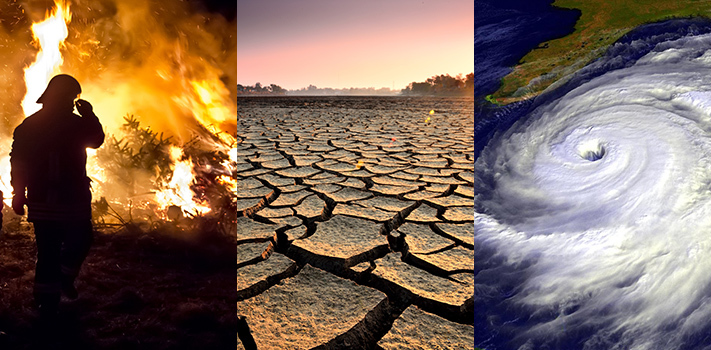
Like many parts of the U.S., western Pennsylvania has not escaped this summer’s climate extremes. We’ve seen soaring temperatures, heavy downpours, and wildfire smoke filling our air . . . and lungs.
While such climate events can be overwhelming, the good news is the U.S. is rapidly embracing tangible solutions to reduce the carbon emissions damaging our climate. Even better, the solutions are boosting the pocketbooks of everyday folks. The Inflation Reduction Act was packed full of incentives for Pennsylvania residents with effectively a free “clean energy bank account” to cut emissions while reducing household bills and improving air quality. Savvy consumers are already taking advantage of savings adding up to more than more than $1,000 per year when purchasing electric cars, induction stoves and energy-efficient appliances.
But we are just beginning our journey to use climate solutions to better the lives of people in our state.
At the very least, the climate policy progress we have already made must remain intact. With an election year around the corner, it may be tempting to play politics around this legislation or around the climate issue in general, but any efforts to roll back or redirect this critical climate investment would be ill-advised. Voters like us want — and expect — these benefits to continue to flow into our state.
This summer’s climate headlines have been concerning, but the solutions to stop the escalating extremes are exciting.
As our legislators look to the future of our state, they should continue to ramp up our clean energy efforts, meeting the moment to reduce climate pollution while bringing good jobs and real-world benefits to the people of Pennsylvania.
Bruce Cooper is the group leader of the Slippery Rock chapter of Citizens’ Climate Lobby. Mark Reynolds is the executive director of Citizens’ Climate Lobby.
By Joseph Minott Special to The Beaver County Times
If the first three months of operations at Shell’s petrochemical plant are any indication, the next 30 years are going to be stressful and hazardous for nearby Beaver Country residents.
The community is locked into a lasting and significant source of plastics production and dirty air pollution that will degrade the Commonwealth’s air quality and our environmental legacy for decades to come. Shell clearly isn’t interested in operating safely or responsibly – so it’s up to regulators and citizens to force them to get emissions in check.
The Shell Polymers Monaca plant in Potter Township officially began operations in November of last year. Even before opening day, the plant was already posing a threat to the surrounding community. From the very beginning, Shell has not managed to keep its pollution to safe and legal levels. It has set a terrible precedent for decades to come, and there’s no reason to expect Shell will act differently – unless it’s forced to do so.
The Environmental Integrity Project and Clean Air Council are taking steps to force Shell to take their responsibility to residents and the environment seriously. Our organizations have filed a notice of intent to sue Shell for the consistent violation of air pollution limits.
In September 2022, the plant emitted 512 tons of volatile organic compounds, nearly reaching in that one month the 12-month permitted limit of its approved volatile organic compound emissions (516.2 tons in any consecutive 12-month period). These chemicals contribute to smog and can cause nausea, nerve damage and other health problems. Shell also emitted the dangerous pollutants nitrogen oxides and carbon monoxide from sources at the plant in the final months of 2022 at rates that exceed permit limits.
It’s important to note that these limits were agreed upon by Shell and the Pennsylvania Department of Environmental Protection (DEP) through an in-depth permitting process. The fact that Shell began violating them immediately underscores just how little regard its leaders have shown for the residents harmed by the massive facility.
Those residents have had to be extra vigilant in ensuring their families are safe. The plant has caused unexpected noises in the middle of the night, odd smells, unexpected flaring activities, and more. With few official updates from Shell, community members and environmental advocates have taken to sharing information on social media and elsewhere to stay informed and connected. Eyes On Shell is one group monitoring the refinery’s actions and keeping local residents updated.
Clearly, it shouldn’t be left up to citizens and nonprofit groups to decipher flames brightening the skies or chemical odors and figure out how to protect their loved ones. Shell should be updating the community and taking every action to protect surrounding residents through safer operations and no environmental violations. The public should be able to rely on DEP to force Shell to do better.
The Shell petrochemicals complex is ground zero for an identity crisis playing out in the fossil fuel space. As the world recognizes the need to transition away from dirty fossil fuels to renewable forms of energy, companies like Shell are pivoting to massive investments in plastics manufacturing. The cracker plant on the Ohio River is a prime example: it can produce as much as 3.5 billion pounds of plastic pellets in a single year. Yet Shell’s own leaders have been caught questioning the impact of three more decades of single-use plastic production and wondering if the company will one day “take responsibility” for all that environmental damage.
We demand that Shell take responsibility now. It’s time for Shell to take responsibility for the unsafe pollution and start operating under the permitted emissions limits. It’s time for Shell to take responsibility to inform and protect the community it joined when it began this massive project. It’s time for Shell to take responsibility for the generations of Pennsylvania families it threatens with its reckless operations and environmental destruction. Tell your local lawmakers and DEP that it’s time to hold Shell accountable.
Joseph O. Minott is executive director and chief counsel of the Clean Air Council, one of the leading nonprofit advocates for Pennsylvania’s environmental protection.
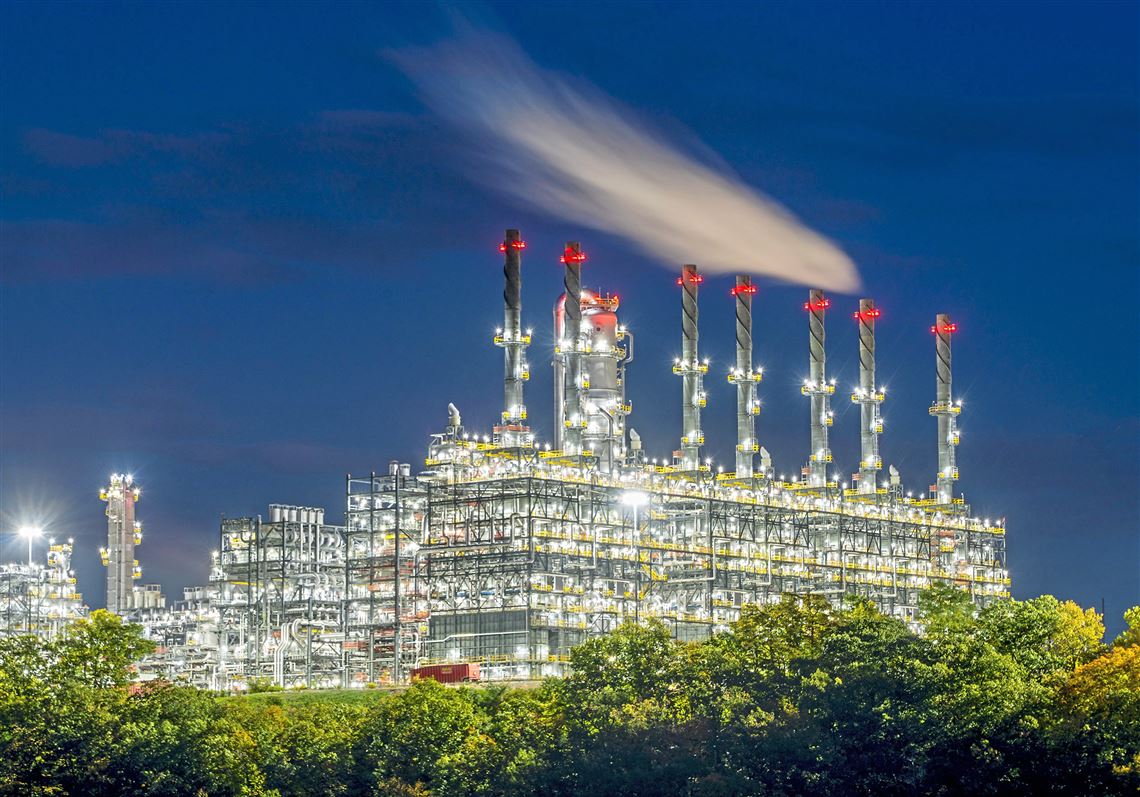
Photo: The bright lights and early emissions of the Shell Pennsylvania Petrochemical Complex in Potter Township, Beaver County.
Petrochemical plants are an environmental and economic dead end
By Matt Mehalik Pittsburgh Post-Gazette Op-Ed
DEC 11, 2022 – Southwestern Pennsylvania could have a brighter and healthier future — if only our state and region made better economic investments. After all, you get what you pay for.
Instead, the region is on a path to a dead-end by pursuing a futile, harmful fossil-fuel based economic strategy. Just last month, Shell’s massive polyethylene resin plant began production near Pittsburgh and is already proving to be a threat to the area.
What’s worse, Pennsylvania taxpayers are bankrolling it. Pennsylvania granted Shell $1.65 billion in state tax credits in 2016, one of the largest tax incentives in state history. In addition, in November the state legislature and governor passed and signed a bill that provides over $2 billion in subsidies over 20 years for natural gas, hydrogen and petrochemical industries — with less than a half-day’s notice and no public hearings.
Additionally, the Department of Energy is looking to provide $8 billion in additional federal subsidies for fossil-based hydrogen hubs. Despite alternative strategies for accelerating decarbonization and promoting inclusive economic growth, our region’s leadership doubled down on a call for fossil fuel subsidies, as detailed in “Our Region’s Energy Future” by the Allegheny Conference on Community Development earlier this year.
The Shell subsidy alone would be enough to cover a payroll of $95,000 per year over 25 years for the 400-600 permanent employees the plant was expected to employ. Shell stated that at peak construction, the site employed more than 8,500 workers. However, these temporary jobs mostly went to construction workers from other states, and have dropped now that the plant is open.
Why should taxpayers continue to subsidize a mature industry that does not deliver jobs and prosperity widely to our communities, and that also locks in harmful air, water and climate pollution?
The Pittsburgh region still suffers from some of the worst air pollution in the country. Allegheny and Beaver County for example, have elevated cancer risks and rates of asthma, heart disease and early deaths. Pennsylvania as a whole has the greatest number of excess deaths due to exposure to fine particle air pollution from fossil fuel sources per person in the country. And half of the region’s pollution still comes from industrial plants.
Emissions from the new Shell plant will add to the already-devastating concentration of pollutants in our air, and undermine the country’s progress on meeting national climate goals. The Shell plant in Beaver County would be the second highest hazardous air polluter in the state, and the 20th most polluting in the country.
The Shell plant is permitted to emit 522 tons of volatile organic compounds (VOCs) and 30.5 tons of Hazardous Air Pollutants (HAPs) per year. These chemicals are, according to the USEPA, known to “cause cancer and other serious health impacts.” VOCs for example, are also known to be damaging to lung tissue. The 159 tons of fine particles the plant will release per year will further contribute to respiratory and cardiac diseases in the region.
The people of Southwestern Pennsylvania should feel confident that the air we breathe won’t make us sick. We have the right to live and work in clean, safe and healthy environments. Why are we subsidizing the opposite of this vision, particularly when it undermines national climate goals as well?
The plant is estimated to release 2.2 million tons of carbon-dioxide-equivalent emissions per year: That’s the equivalent of the emissions from 474,000 passenger vehicles, which is more than half the number of vehicles registered in Allegheny County. The plant will also produce plastic resins that will be used to manufacture more single-use plastic goods in a world that already has too much plastic. Today, 36% of plastic production goes toward single-use plastics, specifically plastic packaging.
These are not investments we should be making or celebrating in a region that shows so much promise in going beyond the fossil fuel economy. Further, they are not a proven way to secure long-term jobs or economic growth. Studies show that wind and solar manufacturing would employ more people than comparable investments in oil and gas: More than 15,000 jobs for the same investment that is producing only a few hundred jobs at the Beaver County plant.
Our neighbors in New York State understand this. According to New York’s “Clean Energy Investment Report 2022,” New York added over 24,000 jobs in the renewable energy sector between 2015 and 2021. That’s a growth of 17% after the governor announced a $1.5 bllion investment in clean energy.
New York is continuing these fossil-free investments, and the growth is accelerating. These are not temporary jobs; rather, they are being built on a solid foundation because they are not based on extracting resources that will someday run out, and because they align with the health, climate and overall well-being needs of communities. They are long-term investments, not short-term stopgaps.
Community organizations in the region understand this. Reimagine Beaver County released a vision in 2019 that outlined a more economically viable future than petrochemicals, one made possible by investing in four major sectors of economic development: energy innovation, green chemistry and manufacturing, sustainable agriculture, and riverfront recreation and tourism.
Just think of where our region would be if we had embraced this vision, instead of propping up petrochemicals and fossil fuels.
That’s why the Breathe Project calls for imagining a brighter, healthier and more prosperous future than the one promised by fossil fuels and petrochemicals. This includes building a new workforce with diverse jobs in solar, wind and other clean technologies that will include everyone from blue-collar workers to high-tech researchers. It also includes transitioning to electric cars, buses and trucks; improving bicycle lanes; and providing more public transportation options.
While our policymakers continue to fail us, we’re glad that other leaders have stepped in. We recently appreciated a huge boost from Mike Bloomberg and Bloomberg Philanthropies’ Beyond Petrochemicals campaign that will invest $85 million in new funding for local advocacy groups in these efforts.
As someone who grew up in the Monongahela Valley, I am ready to see economic and environmental optimism for our region, based on a different vision that recognizes that fossil-fuel-based industries are not in Pittsburgh’s best interests, now and into the future. It is time to go in a different direction. Stop throwing good money after bad investments. Stop subsidizing a mature, private industry that casts burdens on our communities while allowing a narrow few to reap large profits at our expense.
Our economic future should not, and will not, be hitched to subsidizing new uses for dirty materials like petrochemicals. We can have healthy people, healthy workers, a healthy economy and a healthy environment. We deserve a bright future.
Matt Mehalik is Executive Director of the Breathe Collaborative and its communication platform, the Breathe Project.
Environmentalists in Beaver County alarmed by harmful emissions from the plant once it opens say they are discouraged by most voters’ inattention, but not deterred.
By Emma Ricketts
Inside Climate News November 5, 2022
Photo: Shell’s new petrochemical plant in Beaver County, Pennsylvania. Credit: Emma Ricketts
Environmentalists Fear a Massive New Plastics Plant Near Pittsburgh Will Worsen Pollution and Stimulate Fracking
Oct. 27, 2017 – A New Shell Plant in Pennsylvania Will Soon Become the State’s Second Largest Emitter of Volatile Organic Chemicals
ALIQUIPPA, Pa.—From the tranquility of her garden in Beaver County, Pennsylvania, Terrie Baumgardner worries that her grandchildren will grow up without access to clean air, clean water and a safe space to play outdoors.
For decades, Beaver County’s economy has been dependent on polluting industries—first steel, and more recently natural gas drilling. Many longtime residents, who remember the prosperity brought by the steel industry, have welcomed the construction of a massive new Shell petrochemical plant and the politicians that support it.
Baumgardner and other environmental activists are discouraged that local residents and politicians favor the continuation of fracking and the new mega plastics plant it has spawned, but they are not giving up their fight.
“People say that’s what we do in Beaver County—we trade our health for jobs,” Baumgardner said. “But it’s unfortunate, because it doesn’t have to be that way now.”
A reluctant activist, Baumgardner first became involved in environmental issues in 2011, when she learned about the dangers posed by fracking. Concern for the environment and health of local residents led her to canvas for signatures in 2016 as Shell moved toward building the plastics plant.
Spanning nearly 800 acres along the Ohio River, the plant is expected to open later this year. The facility will convert fracked gas into 1.6 million metric tons of polyethylene per year.
Polyethylene, made from ethane, a form of natural gas, is the key building block in numerous common plastic products—from food wrapping and trash bags to crates and bottles.
Despite assurances from Shell that the facility will be safe for the surrounding community, environmental activists have warned that the plant will cause air and water pollution, and a protracted dependence on fracking.
Under Shell’s permit, the plant can release up to 159 tons of fine particulate matter and 522 tons of volatile organic compounds per year. Exposure to these emissions has been linked to issues in the brain, liver, kidney, heart and lungs. They have also been associated with miscarriages, birth defects and cancer.
“They’re going to unload all of these toxic chemicals, hazardous air pollutants, volatile organic compounds and millions of tons of CO2 gas. What’s going to happen?” asked Bob Schmetzer, a local councilman from nearby South Heights and a long-time spokesperson for Beaver County’s Marcellus Awareness Committee. He has opposed the plant since it was first proposed 10 years ago.
Jack Manning, a Beaver County Commissioner, does not share these concerns. “I have great faith in the technology and in the competency of those that will be running the facility,” he said. “It’s a state-of-the-art, world-class facility.”
Manning blamed people’s apprehension on unfair comparisons between the environmental impacts of the plant and those of the steel mills that used to occupy the area. “Those heavy particulates are a different type of pollution,” he said.
Shell has assured residents of the safety of its plant. “At Shell, safety is our top priority in all we do and that includes being a good neighbor by communicating about plant activities that could cause concern if not expected,” Virginia Sanchez, a Shell spokesperson, said in a statement. “When we are in steady operations, it is our goal to have little to no negative impact on our neighbors as a result of our activities.”
For activists, these assurances do little to allay concerns. On a grassy hillside overlooking the massive complex, Schmetzer spoke with his friend and fellow activist, Carl Davidson. While the plant is not yet operational, the grinding sounds of industrial machinery and screeches of train cars disturbed the clear fall day.
Photo: Bob Schmetzer and Carl Davidson, standing above the petrochemical plant. Credit: Emma Ricketts
Davidson, a self-professed “solar, wind and thermal guy,” wore a Bernie cap and alluded to his youth as a student leader of the New Left movement in the 1960s. While he estimates that around one-third of residents were concerned about the plant’s potential impacts from the beginning, he expects this number to grow once it opens. “People are starting to see two things,” he said. “Number one, there is all kinds of pollution that they didn’t know about. And second, all the jobs that were promised aren’t real.”
The plant sparked hope for a revival of economic prosperity in the area. However, now that construction is largely complete and thousands of workers have finished working on the site, the plant is expected to only employ about 600 people going forward, according to Shell.
While opponents wait anxiously for the plant to begin operations, they don’t think it will influence next week’s elections. The Shell plant has been a non-issue in the tight race for the 17th Congressional District in Beaver County between Democrat Chris Delluzio and Republican Jeremy Shaffer, both of whom support continued fracking.
In the state’s closely watched U.S. Senate race between Democrat John Fetterman and Republican Mehmet Oz, both of whom support fracking, the environment has barely come up in a nasty campaign focused on abortion rights.
Similarly, fracking and the environment have hardly been mentioned in the governor’s race between Democrat Josh Shapiro, the state’s attorney general, and Republican state Sen. Doug Mastriano, a Trump supporter and election denier.
Beaver County, while only counting for 1.3 percent of the votes cast in any given election in Pennsylvania, is a bellwether, according to Professor Lara Putman of the University of Pittsburgh. “It is socio-demographically similar to counties that, collectively, make up about one-quarter of Pennsylvania’s population. So in that sense, when Beaver shifts other places are usually shifting as well,” she said.
Baumgardner called the political candidates’ silence “disheartening.”
“I wish they would have the courage to speak up, to take a position and stick with it,” she said.
However, she understands the political risks associated with taking an environmental stand in a community that believes its economic fortunes are tied directly to pollution. She just wishes this wasn’t still the case. “We have alternatives,” she said. “We just need our political leaders to embrace them and get serious about renewables and removing the subsidies on fossil fuels.”
According to Davidson, the key to awakening the public is to ensure that alternatives are tangible. Good ideas aren’t enough to make people give up the job opportunities they have, he said. Clean energy projects are great in theory, but until workers can see a real job with similar wages, many will continue to support the status quo.
Progress might be slow, but Baumgardner, Davidson and Schmetzer remain hopeful that the realities of the plant will sway public opinion once residents’ senses are assaulted with the acrid smells and cacophony of relentless sound they expect the new plastics plant will emit. They each stand ready to educate people on its health and environmental impacts, as soon they are ready to listen. They may be discouraged, but are not deterred.
“Nothing is going to shut me down as long as my grandkids are here,” Baumgardner said.
Emma Ricketts is a graduate student at Northwestern University’s Medill School of Journalism. She focuses on politics, policy and foreign affairs reporting, with a particular interest in climate change and environmental issues. Previously, Emma practiced as a lawyer in a New Zealand-based commercial litigation team where she focused on climate-related risk.
The US Congress is an important battleground in the campaign to slow, stop, and reverse global warming induced catastrophic climate change. The dumping of carbon dioxide from fossil fuels is overwhelming planet Earth.
The financial weight of the coal, oil, and gas industries and their Wall Street owners floods Capitol Hill with their thousands of lobbyists. They write legislation then lobby and threaten Congress to pass dozens of laws that transfer public funds to their industry. These funds are transferred in numerous ways – tax credits, depletion allowances, interest rebates, research funds, loan guarantees, amortization, foreign tax credits, oil spill deductions, income tax exemptions, credits for coal washing.
The carbon polluting industry’s control of Congress guarantees that taxpayers, and actually all citizens, directly subsidize global warming. And we are increasingly victimized by the effects of catastrophic climate change – increased hurricanes, floods, fires; rising ocean levels; melting arctic ice with consequent growing release of methane hydrates that accelerate global warming.
On July 28 Rep. Michael Doyle PA-18 introduced HR4758, co-sponsored by Rep. Conor Lamb PA-17, Mike Kelly PA-16, and Bill Huizenga MI-2. This bill “amends the Internal Revenue Code of 1986 to extend and modify the section 45 credit for refined coal from steel industry fuel, and for other purposes.” This bill has not been printed yet, so the details are not yet available. (https://www.govtrack.us/congress/bills/117/hr4758)
Workers install solar panels on the roof of Global Links, a medical relief nonprofit, in Green Tree, Pa., on Wednesday, Feb. 5, 2020. JARED MURPHY / 90.5 WESA
By AN-LI HERRING WESA-FM
Jan 28, 2021 – Although President Joe Biden’s actions on climate change have stirred anxieties about job loss in energy-producing states like Pennsylvania, a new report predicts that plans like Biden’s could create roughly a quarter-million jobs annually in the Commonwealth. And within hours after the report’s release, local officials announced a small but symbolic down payment on green energy investment.
The 243,000 clean-energy jobs that could be created each year over the next decade in Pennsylvania “are jobs across the board,” said Robert Pollin, a professor at the University of Massachusetts Amherst and one of the study’s authors.
“We’re looking at jobs for carpenters, machinists, environmental scientists, secretaries, accountants, truck drivers, roofers, agricultural labor,” Pollin said, referring to positions that would be required to achieve higher energy efficiency standards, develop new products and infrastructure, and restore land that’s been used for mining and drilling.
UMass Amherst’s Political Economy Research Institute released the report Thursday, a day after Biden signed a round of executive orders that aim to supercharge the country’s efforts to curb carbon emissions.
Co-authored by Pollin, the report quantifies the potential impact on Pennsylvania jobs of a clean energy strategy developed by ReImagine Appalachia, a coalition of progressive policy and environmental groups. The coalition seeks to facilitate a “just transition” to a clean energy economy in Pennsylvania, Kentucky, Ohio, and West Virginia, whose economies have traditionally depended on extraction-based fossil fuel industries. ReImagine Appalachia’s blueprint strives to ensure those states can generate well-paying jobs during a decades-long shift to carbon-free energy.
With adequate funding over the next 10 years, the plan would fuel the creation of an average of 162,000 jobs annually in clean energy and 81,000 positions a year in public infrastructure, manufacturing, land restoration, and agriculture, according to Thursday’s study.
The study estimates that an average annual investment of $31 billion would be needed from both the public and private sectors. During the presidential campaign, Biden pledged to invest $2 trillion in such efforts, with the goal of eliminating carbon pollution from the power sector by 2035 and from the entire U.S. economy by 2050.
“The level of funding necessary [is] a lot. But it’s 3 percent of [the] GDP of the state … So it’s affordable,” Pollin said. And he noted that the employment gains his report predicts would amount to about 4 percent of the state’s workforce.
“So if you’re looking at an economy which has a 7 percent unemployment rate [similar to Pennsylvania], these programs lower the unemployment rate to 3 percent – that’s how dramatic it would be,” Pollin said.
Powering up
Allegheny County took a modest step toward that goal on Thursday, when County Executive Rich Fitzgerald announced that, starting as early as mid-2023, all county-owned facilities will draw energy from a low-impact hydropower plant located on the Ohio River.
Fitzgerald called the move a “long-term investment in how we light and power our facilities using our natural resources without using fossil fuels.” He said it comes during a “landmark week,” during which the county met federal air quality standards for the first time ever.
DEC 8, 2020 – WASHINGTON — The architects of a newly unveiled 10year, $600 billion climate plan to revitalize Appalachia and the Ohio River Valley region are moving forward with a difficult task of building political willpower in Washington while gaining the trust of rural communities tied to the coal and natural gas industries, Pittsburgh Mayor Bill Peduto told a group of sustainable development advocates Tuesday.
That coalitionbuilding — a communications strategy to be forged over the next six weeks among academic institutions in Pittsburgh and seven other cities — is a critical step toward executing the plan Mr. Peduto described as both idealistic and grounded in reality.
It is also necessary as a divided Congress gears up for a fight next year over PresidentElect Joe Biden’s proposal to pull the country out of an economic downturn while investing in clean energy development. Negotiations between Democrats and Republicans for a COVID19 relief bill have dragged for months, raising the question of whether Mr. Biden’s plan could garner enough support.
“We have been in touch during the [plan’s] research phase with the Biden campaign and their ‘Build Back Better’ authors,” Mr. Peduto said, referring to PresidentElect Joe Biden’s jobs and economic recovery plan.
Peduto joins mayors from W.Va., Ohio, Ky. to call for public/private support in climate-friendly industrial growth
Since Mr. Biden won the White House last month, Mr. Peduto and other local officials “have had contact with the transition team,” he said, “working to see what we can try to be able to get on the radar in Washington during the first 100 days of a new administration, while simultaneously working with grassroots organizations.”
It’s unwise to ignore Mother Nature, and not to find ways to live in harmony with her, and all other beings as well
By Kim Stanley Robinson Orbit ($28)
Reviewed by Tom Cox
Pittsburgh Post Gazette
Make no mistake, Kim Stanley Robinson’s new novel, “The Ministry of the Future,” is a good old-fashioned monster story. As with most monster stories, there is an inciting incident witnessed by a few wide-eyed and hysterical nobodies, but their cries are deemed “unreliable.” Who knows what they saw? It only affected those people. And besides, what do they expect us to do, empty the beaches on a holiday weekend just because somebody thinks they saw a shark?
In many of these tales, the monster is a metaphor for something else, such as “Babadook” (grief), “Rosemary’s Baby” (motherhood), “Get Out” (racism), and “Frankenstein” (humanity). But some of the scariest monster stories give us nightmares about the normal things we see in life. Not vampires, werewolves, blobs or radioactive lizards but crazed fans, preppie New York investment bankers or creepy hotel clerks. In “The Ministry of the Future,” Mr. Robinson aims his flashlight into the black waters to reveal just such a monster: climate change. Yeah, we’re going to need a bigger boat.
True to good monster lore, our story begins with an attack: a record-setting Indian heat wave knocks out power and roasts 20 million of the planet’s most vulnerable in two weeks’ time. Enter Mary Murphy, head of the Ministry of the Future, a rather toothless U.N. watchdog agency based in Zurich and created by an international treaty. Nevertheless, Murphy is serious about making a difference in the world and about her agency’s stated mission: “to advocate for the world’s future generations and to protect all living creatures, present and future.” Despite the Indian tragedy, her attempts to enact real and drastic reduction in carbon emissions is resisted. National sovereignties are cited. Fingers of blame are pointed at the long-term carbon culprits, who in turn accuse the most recent contributors. Financial institutions entrench behind privilege and market share. The monster is not our problem.
When the rebuffed Murphy is confronted and briefly held captive in her own home by an addled survivor of the Indian carnage, she recognizes in his frantic demands not a criminal element but perhaps humanity itself (her own humanity?) crying out for drastic steps to be taken — acts of eco-terrorism and even the assassination of select carbon perpetrators. After the man is captured and her safety assured, Murphy finds it hard to dismiss his humble sacrifice and haunted eyes. Does confronting a monster like climate change call for more drastic steps? If black ops are used to fight terrorism, why not this? Maybe it’s time to get our hands dirty. She soon discovers, however, that her darkest notions of such an unauthorized, covert and lethal outfit already exists.
Whereas Mr. Robinson’s earlier novels on climate change, “New York 2140” and “2312,” are set far in the future and deal with the long-term aftermath of the destruction it caused, “The Ministry of the Future” dares to set events within our lifetimes, or at least within the lifetimes of our children. Thirty years from now, the devastation is just beginning. Things can still be done to stop the monster, but only if drastic and expensive steps are immediately undertaken and only if the whole world takes it seriously. If you have met the world, however, you know that this probably isn’t going to go well.
Mr. Robinson’s intrigue and geopolitical drama are well supported by his meticulous research into every sort of environmental theory, proposed solution and geo-engineering possibility, which he deftly incorporates into his work. If you’ve been looking for an environmental monster story in which the heroes are scientists who aren’t above taking off their gloves and getting their hands dirty, this might just be the campfire story for you.
Oct 7, 2019 – Pennsylvania is ready for a just, clean-energy future. Ever since 1859, when Edwin Drake ushered in the modern era’s addiction to fossil fuels when he struck “rock oil” in Titusville, our state has been at the front lines of the extraction industry’s booms and busts. We are way past ready for a Just Transition to renewable sources of energy and a sustainable future for us all.
For a century and a half, we’ve watched corporations pull poisons from the ground, then leave the health and safety of our communities in ruins as they move on with all the riches. From poisoned rural waterways to the nearly catastrophic explosion at a South Philadelphia oil refinery earlier this year, no part of the state has been left unscathed. But even after a century and a half, the extraction industry still thinks the people of Pennsylvania can be fooled by its false narrative. We won’t.
Rose Tennent, a longtime conservative pundit and surrogate for the Trump campaign, now leads this unholy choir in Pennsylvania. She recently penned an op-ed decrying Senator Elizabeth Warren’s proposal to ban fracking entirely under her presidency.
Presumptuously claiming to speak for all Pennsylvanians, Tennent argues Warren’s proposal will kill the “desirable” jobs that have accumulated in the state as a result of the fracking industry, which she irresponsibly calls “responsible.”
Let’s talk jobs first – because the statistical data Tennent relies on is grossly inaccurate. She overstates the positive impact the fracking industry has had on communities.
Speaker Mike Turzai, Tennent’s extraction-loving wing man in the Pennsylvania House of Representatives, doesn’t even bother to remove industry emblems from the handouts he uses to promote fracking. Like Tennent, he touts the number of jobs he says fracking has created in the state. But we need to look beyond this headline to get to the truth. Continue reading Pennsylvania Is Ready For A Just, Clean-Energy Future→







 Beaver County Blue: Voice of the 17th CD of Progressive Democrats of America